
Do Cats Get Tooth Decay?
Cats can have dental problems, but they are not the same as human cavities. The most common issue is Feline Odontoclastic Resorptive Lesions (FORL).
FORLs may be obvious, but sometimes they are only detectable through x-rays as the decay often occurs below the gum line.
This condition is classified from 1 to 5 based on severity and is believed to affect up to two-thirds of cats over five years of age.
Symptoms of Tooth Decay in Cats
FORLs can cause intense pain. Even with general anesthesia, a cat may react when the tooth is touched.
Here are signs of dental pain in cats:
- Reluctance to eat, often dropping food when trying to chew.
- Excessive drooling.
- Bleeding from the mouth.
- Bad breath.
- Flinching or crying out in pain when the mouth area is touched.
- Pawing at the mouth.
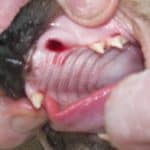
On examining a cat’s teeth, you may see redness or swelling where the tooth meets the gum.
Treatment for Toothache in Cats
The usual treatment is to extract the problem tooth, which relieves the pain instantly. Once removed, the cat returns to its normal self. Cats adapt well and can eat most foods without teeth.


Other Causes of Mouth Pain in Cats
- Abscessed tooth
- Broken teeth
- Gingivitis (gum inflammation)
- Periodontal Disease
- Periodontitis (tissue inflammation around teeth)
- Bone or foreign body stuck between teeth
- Kidney Disease
- Feline Leukemia Virus
- Feline Stomatitis
- Mouth tumors
Regular Check-Ups
Regularly check your cat’s teeth and gums. Use a cotton bud to gently explore the gum line. If you see blood or your cat shows pain, consult a vet.